
 article
Time To Study (minutes) : 7
article
Time To Study (minutes) : 7
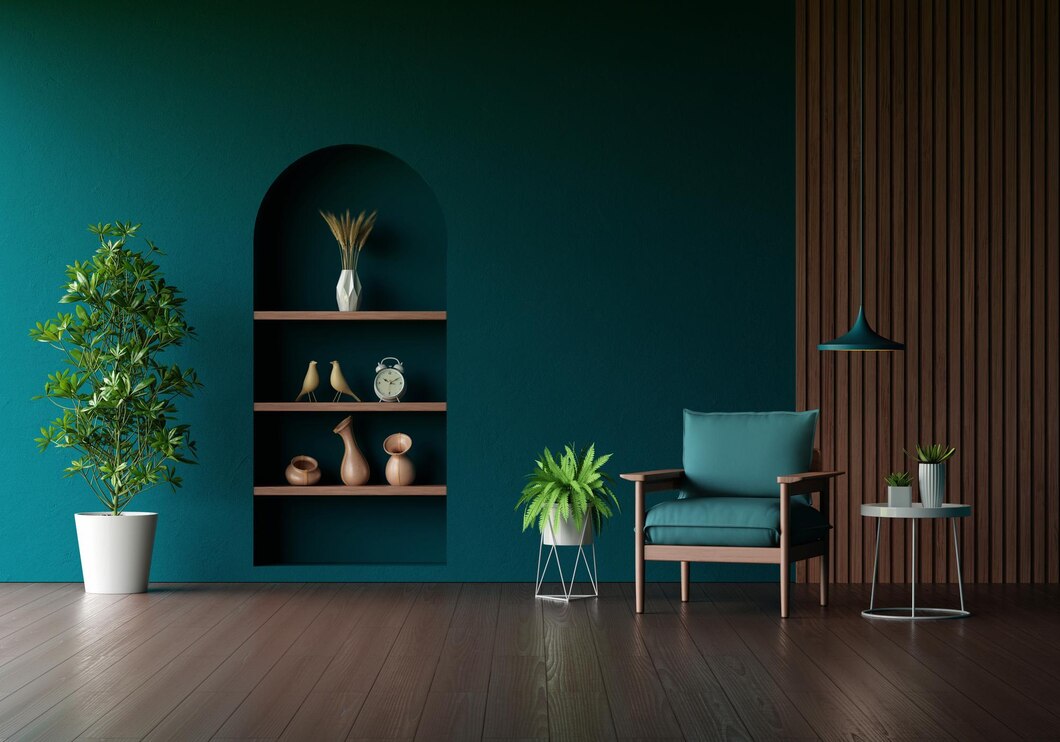
The Art of Creating Harmonious and Functional Spaces
Introduction
Interior design is not just about placing furniture or picking colors—it’s the art of creating spaces that are both beautiful and practical. A well-balanced, functional space can influence your mood, focus, comfort, and overall productivity. This article guides you through the principles of achieving harmonious and efficient environments.
۱. Understand the Purpose of the Space
Before designing, ask: What is this room used for? Is it for rest, work, entertainment, or family gatherings? The answer shapes everything from furniture choice and lighting to the overall layout and mood.
۲. Harmonious Color Schemes
Colors set the tone of a room. Use complementary colors or shades from the same palette to create visual harmony. Light colors make small rooms feel larger, while dark hues combined with rich textures work well in formal spaces.
۳. Choose the Right Furniture
Furniture should suit both the size and function of the room. In small areas, multi-functional pieces help save space. Lightweight, floating furniture can enhance modern living rooms and make them feel more open.
۴. Smart Lighting
Blend natural and artificial lighting to bring life to your space. A combination of ceiling lights, wall sconces, and floor lamps creates depth and warmth. Warm lights suit cozy settings, while cool lights are ideal for workspaces.
۵. Order and Flow in Design
Harmony often comes from rhythm and balance. Achieve this through symmetry, repeated elements, clear walkways, and decluttering. Open shelving, storage baskets, and minimalistic layouts help maintain organization and calm.
Conclusion
Designing harmonious and functional spaces is a blend of science and creativity. By understanding the space’s purpose, using color wisely, selecting suitable furniture, planning smart lighting, and keeping things orderly, you can build an environment that inspires and supports your lifestyle.
Related Blogs
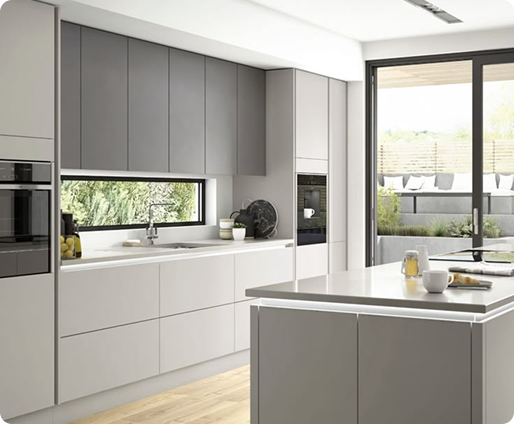
How to Choose Kitchen Cabinets
Learn how to choose the perfect kitchen cabinets that match your space, budget, and style. Discover key tips on design, materials, and color selection.
Read More
article
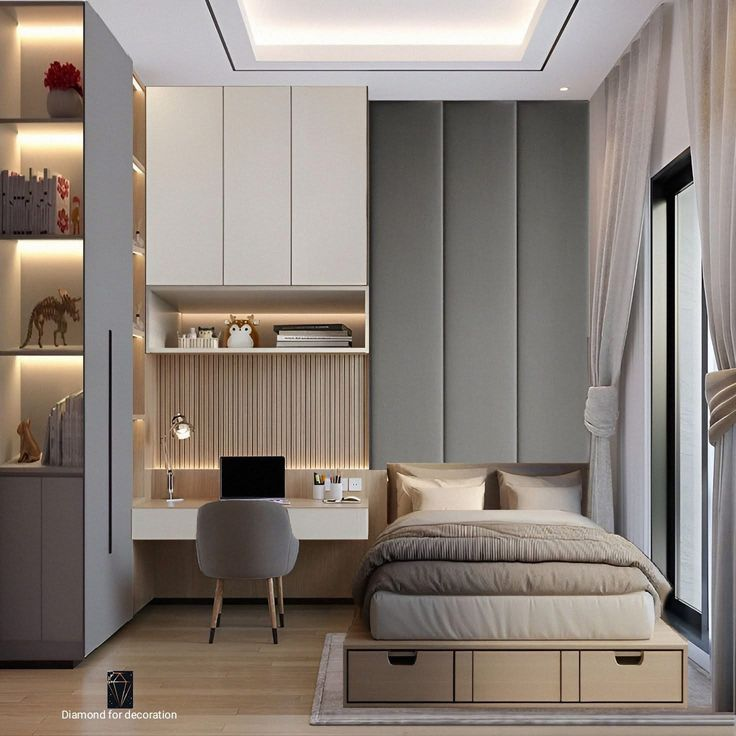
Decorating small rooms
Learn how to decorate small rooms using simple and practical tips that make them feel more spacious, organized, and stylish.
Read More
article
The Art of Creating Harmonious and Functional Spaces
Learn how to create harmonious and functional spaces through interior design—covering color coordination, efficient layouts, smart lighting, and more.
Read More